Case 08Digital product concept
Supplier Information Portal
Business questionHow can suppliers obtain relevant procurement and material information without uncontrolled communication and repeated manual status requests?
A supplier-facing environment for PR, contract and PO visibility, material cards, status communication and controlled document access.
A digital concept developed from operational experience. It is not presented as a deployed corporate system.
Why it matters
- GovernanceEach supplier sees only its own scope.
- Delivery riskStatus questions are answered before they become delays.
- Data integritySuppliers work from the same material data.
- TraceabilityRequests and documents are recorded in one place.
01Business context
Suppliers need information to deliver well: which requisitions, contracts and orders concern them, the technical data of the material, the status of their deliveries and the documents they must provide. Much of this information travels through individual emails and repeated status requests.
That creates two problems at once. Buyers and materials staff spend time answering the same questions, and information leaves the organisation without consistent control over who sees what.
The concept is a supplier-facing environment where each supplier sees only its own scope: its documents, material cards, statuses and required documentation, with notifications instead of manual chasing.
02My role
My contribution
I designed this product concept: vendor-scoped access, document visibility, material cards, status communication, document exchange and notifications. It is a digital product concept derived from procurement and materials experience, not a deployed KPO system.
Wider process
Procurement (C&P) owns supplier communication and contracts. Information security and IT would own access and integration. Suppliers would use the portal for their own orders. The concept describes the product, not an implementation.
03Signals and inputs
The information that drives the decision.
- S01Vendor identityWhich supplier is signed in.
- S02PR / CON / PODocuments that concern this supplier.
- S03Material cardDescription, part number, UoM and technical data.
- S04StatusOrder, confirmation and delivery stages.
- S05DocumentsRequired certificates and technical documents.
- S06NotificationsChanges that need the supplier's attention.
04Product architecture
How can suppliers obtain relevant procurement and material information without uncontrolled communication and repeated manual status requests?
Open a layer to see why it matters.
01
Supplier
Authenticated supplier user.
Why it matters
- Why it matters
- Access starts from a known vendor identity.
02
Vendor-scoped access
Only this supplier's documents and items.
Why it matters and when to escalate
- Why it matters
- Controlled visibility is the core of the concept.
- Escalate when
- Scope rules are unclear for a document.
03
PR / CON / PO
Requisitions, contracts and orders in scope.
Why it matters
- Why it matters
- Suppliers see what concerns them and nothing else.
04
Material card
Description, manufacturer, part number, UoM and data.
Why it matters
- Why it matters
- Quotes and deliveries use the same material data.
05
Status
Confirmation, production, shipping, delivery.
Why it matters
- Why it matters
- Status replaces repeated manual requests.
06
Documents
Certificates and technical documents to provide or view.
Why it matters and when to escalate
- Why it matters
- Documentation is collected before delivery.
- Escalate when
- Required documents are overdue.
07
Notifications
Changes and requests sent to the supplier.
Why it matters
- Why it matters
- Suppliers act on changes without chasing.
05Professional judgement
Supplier transparency is useful only when it is scoped and controlled.
Giving suppliers more information is easy. Giving each supplier exactly the information that concerns it is the actual design problem, which is why vendor scope is the first layer of the concept and not a feature added later.
The portal does not replace the buyer relationship. It removes the repetitive part of it, so communication with suppliers can focus on decisions instead of status.
06What can go wrong
Uncontrolled visibility
A supplier sees another supplier's data.
ControlVendor-scoped access as the first layer.
Stale status
Suppliers act on outdated information.
ControlRefresh status from the source documents.
Parallel channels
Email and portal give different answers.
ControlOne source for status and documents.
Missing documents at delivery
Material arrives without certificates.
ControlRequest documents before shipment.
07Intended value
- Controlled transparencySuppliers see their own scope only.
- Less manual chasingStatus is available without emails.
- Earlier documentationCertificates arrive before the material.
- Consistent dataSuppliers quote and deliver against the same material card.
08Evidence and basis
Basis of this case
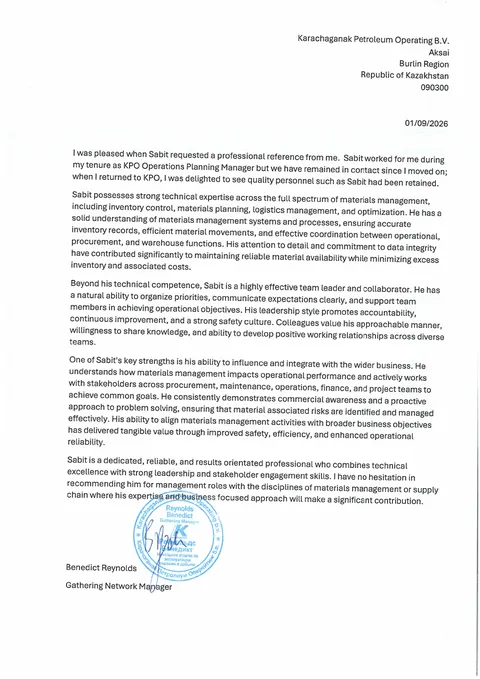
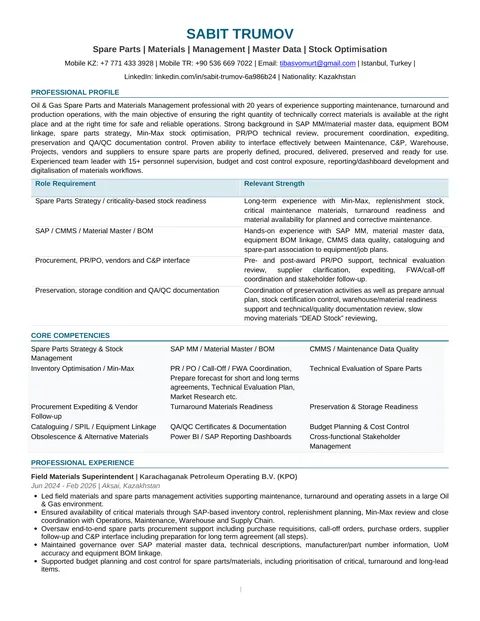
Digital product concept derived from procurement and materials experience. Not a deployed KPO or corporate system; no adoption, users or results are claimed.

Connected intelligence
Where this case connects to the career, the Knowledge Book and the credentials.